
A clogged drain may start as a small problem, but it can quickly lead to slow drainage, bad smells, standing water, or a messy backup. Many homeowners wait until water stops moving before they take action. Knowing the early warning signs can help you act sooner and protect your plumbing system.
A Clogged Drain Often Drains Slowly
Slow drainage is one of the first signs of trouble. Water may sit in a sink, tub, or shower longer than normal before it disappears.
Hair and soap often collect in bathroom drains. In kitchen sinks, grease and food scraps may stick to pipe walls. If more than one fixture drains slowly, the problem may be deeper in the plumbing or sewer line.
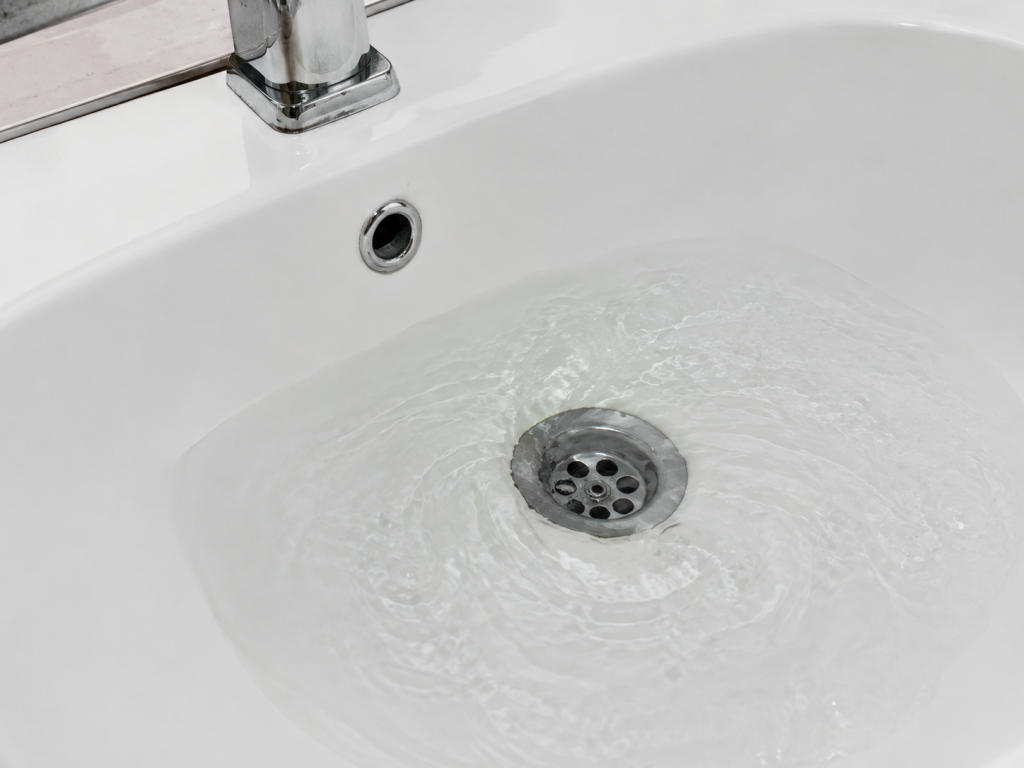
Bad Odors Can Point to a Clogged Drain
A drain should not fill your home with unpleasant smells. If you notice a foul odor from a sink, shower, or floor drain, trapped debris may be sitting inside the pipe.
A sewer-like odor can also point to a deeper problem. If the smell keeps returning after basic cleaning, professional sewer and drain services can help find the cause and restore proper flow.
Gurgling Sounds Can Signal a Blockage
Bubbling or gurgling sounds can mean air is trapped behind a blockage. Gurgling can happen when water has trouble moving through the pipe. If several fixtures make strange sounds, the issue may be larger than a simple sink clog.
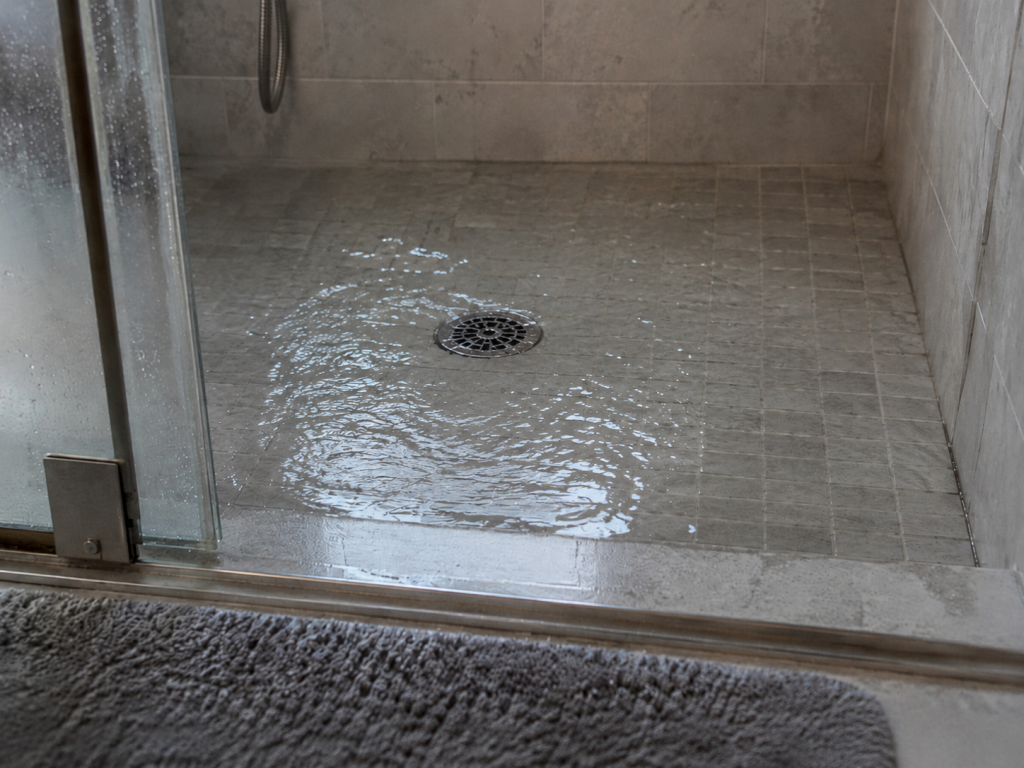
A Clogged Drain May Cause Standing Water
Standing water is another clear warning sign. A shower may leave water around your feet, or a sink may fill faster than it can drain. Avoid using the fixture until the problem is cleared, especially if the water is dirty or smells bad.
Water Backing Up Into Another Fixture
A blockage may affect more than one fixture. Water may rise in a bathtub when you flush the toilet, or a sink may bubble when the dishwasher drains. These signs suggest wastewater is having trouble moving through a shared pipe.
Backups should be taken seriously because they can cause water damage and sanitation issues. If sewage or dirty water returns to a fixture, stop using nearby plumbing and call a professional.
Frequent Clogs Are a Warning Sign
A clog that returns again and again may mean the full blockage was never removed. A plunger may clear a small clog near the opening but not deeper buildup.
Repeated clogs can also point to grease buildup, damaged pipes, or tree roots in a sewer line. Professional drain cleaning equipment can help locate and clear stubborn blockages.
What Causes a Clogged Drain?
Different drains collect different types of waste. Common causes include:
- Hair and soap in bathroom drains
- Grease and food waste in kitchen sinks
- Wipes and other items that should not be flushed
- Mineral or scale buildup
- Tree roots entering sewer lines
- Old or damaged pipes
Use drain screens, keep grease out of sinks, and only flush toilet paper and human waste. These simple habits can lower the risk of another clog.
When to Call for Clogged Drain Help
Some small clogs can be handled with a plunger or by removing visible debris. However, a professional should inspect the system when the clog keeps returning, affects several drains, causes sewage odors, or leads to backups.
Professional tools can remove buildup and help identify deeper problems. Camera inspections can show whether a pipe is cracked, blocked by roots, or otherwise damaged.
Clogged Drain FAQ
Can a clogged drain clear on its own?
A very small blockage may shift, but most clogs do not fully disappear without help. Grease, hair, soap, and debris often stay inside the pipe.
Is Chemical Drain Cleaner Safe?
Chemical cleaners may seem convenient, but repeated use can be hard on some pipes. A plunger or professional drain cleaning method is often a safer choice for a stubborn clog.
Why Do Several Drains Clog at Once?
When several fixtures drain slowly or back up at the same time, the blockage may be in a shared drain or main sewer line. A professional should check this problem.
How Can I Prevent Another Clogged Drain?
Keep grease, food scraps, hair, wipes, and other debris out of drains. Drain screens and routine cleaning can also reduce buildup.
Act Early When You Notice a Clogged Drain
A clogged drain rarely improves when warning signs are ignored. Slow drainage, bad smells, gurgling sounds, standing water, recurring clogs, and backups can all indicate that something is blocking the normal flow. Acting early can help reduce mess, damage, and disruption.
For help with stubborn drain or sewer problems, turn to Blau Plumbing Inc. Contact our team to learn about available solutions or request service. You can also visit our blog for more helpful home plumbing tips.
